MemberYOYO vs Miget
Side-by-side comparison to help you choose the right tool.

MemberYOYO
MemberYOYO empowers creators to easily build and monetize membership sites with no coding skills needed.
Last updated: February 28, 2026

Miget
Deploy unlimited services on one flat-rate plan.
Visual Comparison
MemberYOYO
Miget
Overview
About MemberYOYO
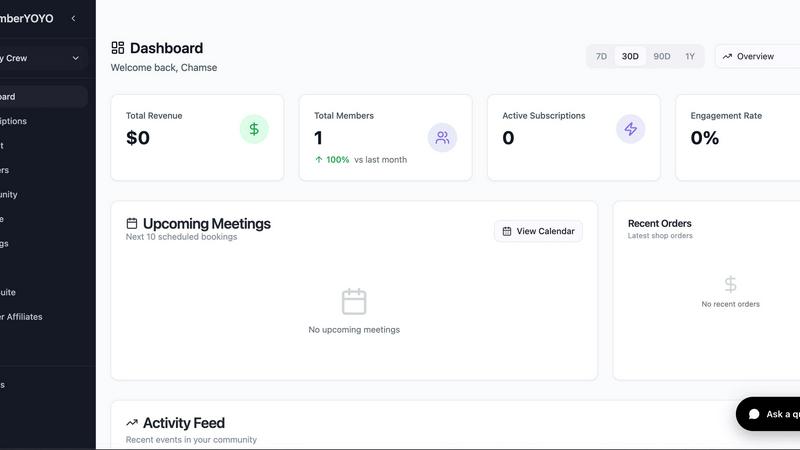
MemberYOYO is a groundbreaking all-in-one membership platform tailored specifically for creators, coaches, and community builders. It aims to streamline workflows and eliminate the chaos associated with juggling multiple tools. The platform provides an extensive array of features that empower users to create, manage, and monetize their content effortlessly. Whether you are looking to build and sell courses complete with integrated progress tracking or cultivate vibrant communities through dedicated channels and direct messaging, MemberYOYO simplifies every aspect of running a successful membership business. Users can schedule one-on-one bookings with seamless integrations to platforms like Zoom and Google Meet, send targeted email broadcasts and automated sequences, and handle recurring payments through Stripe without incurring platform fees. With its user-friendly interface and no-code setup, launching a branded member portal can be accomplished in mere minutes, allowing creators to focus on what they do best—creating compelling content. Start your journey for free, with no credit card required, and explore the potential to upgrade as your community grows.
About Miget
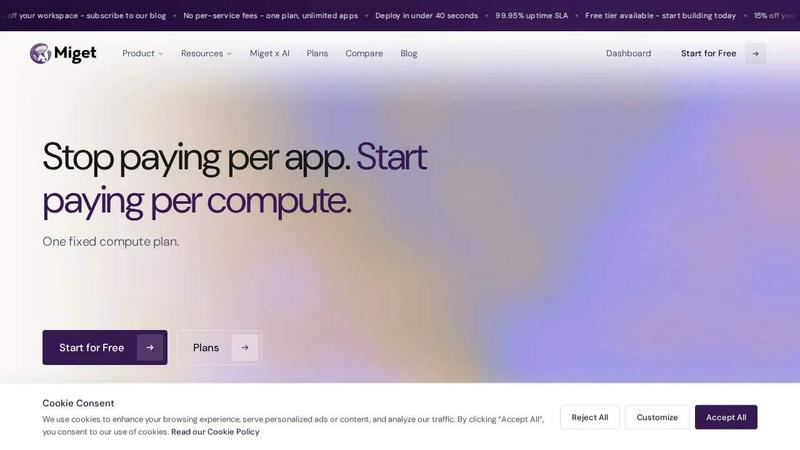
Miget – Stop paying per app. Start paying per compute.
Traditional PaaS platforms charge you for every app, database, and worker separately. Miget flips that model: pick a fixed compute plan, then deploy as many services as you want inside it.
- Unlimited apps, databases, and background workers per plan
- No per-service billing surprises
- Built on Kubernetes with full isolation between tenants
- Deploy from Git, GitHub, Registry with zero-config builds
- Managed PostgreSQL, Redis, and more
- Custom domains with automatic TLS
Whether you're running a single side project or a full production stack, you only pay for the compute you reserve—not the number of things you run on it.