Amovera vs CloudBurn
Side-by-side comparison to help you choose the right tool.

Amovera
Amovera is the elegant, one-time-payment wedding planner that keeps your data private and your planning beautifully simple.
Last updated: April 13, 2026

CloudBurn
CloudBurn shows AWS cost estimates in pull requests to prevent budget surprises.
Last updated: March 1, 2026
Visual Comparison
Amovera

CloudBurn
Feature Comparison
Amovera
Guest List & RSVP Manager
This is the heart of any wedding plan, and Amovera executes it flawlessly. You can import guests, track relationships, and manage plus-ones with ease. My favorite part is the personalized RSVP links you can send out, which feed directly into your dashboard. It automatically tracks meal choices, song requests, and dietary restrictions, eliminating the need for manual tallying on a chaotic spreadsheet. It turns the most tedious task into a streamlined, professional process.
Interactive Seating Chart Builder
Forget paper cutouts and endless frustration. Amovera's drag-and-drop seating planner is a game-changer. You can visually design your venue layout, place tables, and then simply drag guest names to their seats. It automatically warns you if you've double-booked a seat or placed feuding relatives together. This feature alone saves hours of headache and allows you to experiment with different layouts until you find the perfect, harmonious arrangement for your reception.
Unified Budget Tracker
Wedding budgets have a notorious habit of spiraling. Amovera's budget tracker brings sanity by letting you set an overall budget and then allocate funds to every category—venue, catering, attire, etc. You log expenses as you go, and it calculates your remaining balance in real-time. It provides a crystal-clear, at-a-glance view of your financial health, which is absolutely critical for avoiding stressful surprises down the aisle.
Collaborative Task Management
Planning is a team sport, and Amovera is built for two. The shared task lists are a lifesaver. You can assign tasks to each other, set deadlines, add notes, and mark items complete. Because both partners have simultaneous access, you avoid the "I thought you were handling that!" disaster. It creates a single source of truth for your planning timeline, ensuring nothing slips through the cracks as the big day approaches.
CloudBurn
Automated Pull Request Cost Reports
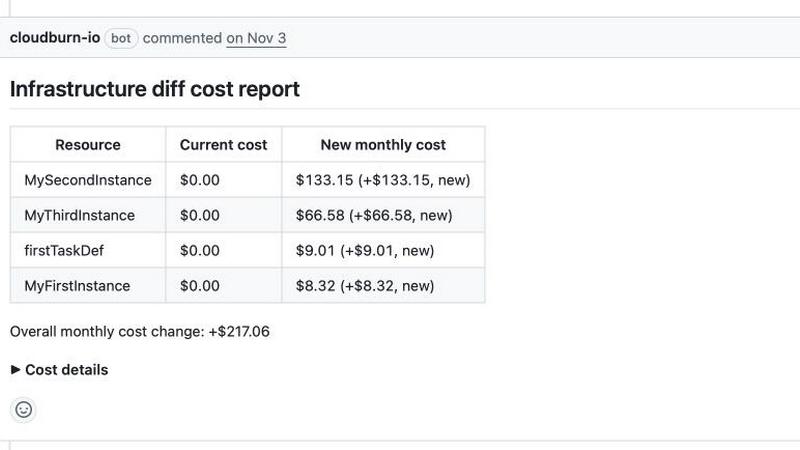
This is the killer feature. CloudBurn automatically posts a detailed, line-item cost breakdown as a comment on every relevant pull request. It shows the current cost, the new projected monthly cost, and the delta for each resource being changed or added. This happens seamlessly within seconds, requiring zero manual intervention from developers and making cost visibility an integral, non-negotiable part of the code review ritual, just like checking for linting errors.
Real-Time AWS Pricing Integration
Forget outdated spreadsheets or static price lists. CloudBurn pulls directly from the latest AWS pricing data to ensure every estimate is accurate and reflects the current on-demand rates for services and instance types in your specific region. This means the cost feedback you get is reliable and actionable, whether you're provisioning a t3.micro or a memory-optimized RDS instance.
Seamless IaC Tool Integration
CloudBurn works natively with the infrastructure-as-code tools teams actually use. It integrates with GitHub Actions for both AWS CDK (via the CDK Diff PR Commenter) and Terraform (via the Terraform Plan PR Commenter). This design-first approach means setup is incredibly simple—you're not rebuilding your pipeline; you're enhancing it with a critical new layer of intelligence.
Proactive Cost Anomaly Prevention
The tool is fundamentally designed to catch mistakes early. By analyzing the infrastructure diff, it can flag unexpectedly expensive resource configurations—like accidentally choosing an xlarge instance when a large would suffice—before they are deployed. This shifts FinOps left, preventing the need for risky and time-consuming refactoring projects in production after a budget alarm goes off.
Use Cases
Amovera
The Detail-Oriented Perfectionist Couple
For couples who have a precise vision and want to micromanage every beautiful detail, Amovera is a godsend. From building intricate moodboards to color-coding guest lists and tracking vendor correspondence down to the last email, it provides the granular control and organization needed to execute a complex, custom wedding without losing your mind in a sea of disorganized notes.
The Busy Professional Duo
If you and your partner have demanding careers, you need efficiency. Amovera consolidates all planning into one accessible platform you can both update during a lunch break or commute. The shared, real-time access means you can make decisions quickly without scheduling lengthy planning meetings. It turns fragmented moments of time into productive progress.
The Privacy-Conscious Pair
If the idea of your personal data being sold to every florist and DJ in a 100-mile radius makes you cringe, Amovera is your solution. Its core philosophy protects your information. You can plan your intimate day without the barrage of sales calls and spam emails that typically come with "free" planning tools, allowing for a genuinely private and personal experience.
The Long-Distance Planning Team
When one partner is in one city and the other is across the country (or world), collaboration is tough. Amovera’s cloud-based, simultaneous access feature acts as your virtual planning headquarters. You can both review the same budget update, edit the seating chart, or comment on a vendor contract in real time, making distance a non-issue in your planning journey.
CloudBurn
Preventing Accidental Cost Spikes in PR Reviews
The classic horror story: a developer updates a Terraform module, changing a t3.small to a t3.xlarge without realizing the 4x cost impact. CloudBurn stops this by making the $133/month price tag for that instance glaringly obvious in the PR comment. This sparks an immediate conversation between the developer and reviewer, allowing for a cost-optimized alternative to be chosen before merge.
Enabling Developer-Led Cost Optimization
Instead of finance or platform teams dictating cost rules retroactively, CloudBurn gives developers the data they need to self-optimize. When designing a new feature, engineers can experiment with different resource types and immediately see the cost trade-offs, fostering innovation within budgetary guardrails and building a shared sense of ownership over cloud spend.
Streamlining Infrastructure Approval Workflows
For teams with mandatory cost reviews, CloudBurn automates the most tedious part. Managers and tech leads no longer need to manually calculate estimates or guess the impact. The clear, automated report provides the audit trail and data needed for informed approval, significantly speeding up the deployment cycle while adding a robust financial governance layer.
Onboarding and Educating New Team Members
For engineers new to AWS or a codebase, CloudBurn acts as a real-time learning tool. It provides immediate feedback on the cost implications of their code, helping them understand the financial weight of their infrastructure decisions from day one and accelerating their journey to becoming cost-aware cloud practitioners.
Overview
About Amovera
Let's be brutally honest: wedding planning is a logistical nightmare masquerading as a joyful experience. You're handed a dream and then immediately buried under a mountain of spreadsheets, sticky notes, and a dozen different apps that don't talk to each other. This is the chaos Amovera was built to obliterate. It is not just another wedding website builder; it's a comprehensive, elegant command center for your entire wedding journey. Designed for modern couples who value simplicity, privacy, and collaboration, Amovera consolidates every critical tool—guest list and RSVP management, budget tracking, interactive seating charts, vendor contacts, task lists, and moodboards—into one beautifully designed platform. The most compelling part? Their radical business model. While "free" planners monetize your data, flooding you with vendor spam, Amovera operates on a single, one-time payment. You buy it, you own it for life. No subscriptions, no upsells, and the sacred promise that your data remains yours. It’s a breath of fresh air in an industry that often feels predatory, making it my top recommendation for couples who want to plan their day, not become full-time project managers.
About CloudBurn
CloudBurn is the essential early-warning system for any engineering team building on AWS. In my opinion, it solves one of the most pervasive and painful problems in modern cloud development: the terrifying, post-deployment bill shock. If your team uses Terraform or AWS CDK, you absolutely need this tool. CloudBurn integrates directly into your GitHub pull request workflow to provide real-time, automated cost analysis before any infrastructure code is merged. It transforms cloud cost management from a reactive, finance-led headache into a proactive, developer-friendly process. By surfacing the exact dollar impact of every VPC, EC2 instance, or Fargate task definition change right in the code review, it empowers engineers to make cost-conscious architectural decisions. This isn't just about saving money—it's about fostering a culture of ownership and financial accountability within development teams, preventing costly misconfigurations from ever reaching production and turning a monthly surprise into a predictable, optimized expense.
Frequently Asked Questions
Amovera FAQ
How does the one-time payment work?
You make a single payment of $129 and receive immediate, lifetime access to the entire Amovera platform with all current and future features. There are no hidden fees, no annual renewals, and no subscription tiers. It's a straightforward purchase for your entire wedding planning process and beyond.
Can I really use it with my partner at the same time?
Absolutely, and this is one of its best features. Amovera is designed for real-time collaboration. Both you and your partner can be logged in simultaneously, making edits to the guest list, budget, or tasks. You'll see each other's changes instantly, which completely eliminates version control issues and streamlines decision-making.
What happens to my data after the wedding?
Your data belongs to you, period. Amovera does not sell or share it. You can export all your information—guest lists, budgets, seating charts—as CSV or PDF files for your personal archives. The platform remains accessible to you with all your data intact, so you can revisit those memories anytime.
Is there a limit on the number of guests or events?
No, there are no arbitrary limits. Whether you're hosting an intimate gathering of 20 or a grand celebration with 300+ guests, Amovera can handle it. You can also manage multiple related events, like the rehearsal dinner or post-wedding brunch, all within the same project.
CloudBurn FAQ
How does CloudBurn calculate the cost estimates?
CloudBurn analyzes the output of your cdk diff or terraform plan command, which details the proposed infrastructure changes. It then cross-references the resources and their configurations (instance type, region, storage size, etc.) with the live AWS Price List API. Using standard assumptions for monthly runtime (730 hours), it calculates a projected monthly on-demand cost for both the new state and the current state, presenting the difference.
Is my code or cloud credentials exposed to CloudBurn?
No, and this is a critical design point for security. Your actual Terraform or CDK code never leaves your GitHub repository. CloudBurn's system only receives the diff output (the plan text) from the GitHub Action you install. Furthermore, CloudBurn does not require or have access to your AWS credentials; cost calculation is done using publicly available pricing data, not by accessing your account.
What happens if we use Reserved Instances or Savings Plans?
Currently, CloudBurn provides estimates based on standard AWS on-demand pricing. This is intentional, as it gives you the "sticker price" or maximum potential cost of a resource, which is the most critical figure for preventing budget overruns. It creates a consistent, conservative baseline for comparison. Understanding the impact before applying discounts is still immensely valuable for planning and avoiding waste.
Can we use CloudBurn with private GitHub repositories?
Absolutely. CloudBurn is installed via the GitHub Marketplace, and you can grant it permission to access specific private repositories where you manage your infrastructure-as-code. The integration operates securely within GitHub's ecosystem, and the billing and permissions are handled entirely through your GitHub account.
Alternatives
Amovera Alternatives
Amovera is a standout in the wedding planning software category, offering a comprehensive, all-in-one dashboard to manage everything from guest lists to vendor contacts. It’s built for couples who want to ditch the chaos of spreadsheets and app-hopping for a single, unified platform. People often seek alternatives for a few key reasons. Some might need a free tool to start, others require specific integrations or a different collaboration style. The platform itself—whether you need a robust mobile app or prefer a web-based tool—can also be a deciding factor. When evaluating other options, focus on your non-negotiables. Consider the true total cost, including any hidden subscriptions or data-sharing policies. Prioritize features that match your planning style, and ensure the tool facilitates smooth collaboration between you and your partner without creating more work.
CloudBurn Alternatives
CloudBurn is a specialized tool in the developer operations category, designed to bring AWS cost visibility directly into the pull request process. It's for teams using Terraform or AWS CDK who want to catch expensive infrastructure mistakes before they deploy, turning cost management from a reactive accounting task into a proactive part of the engineering workflow. Teams might seek alternatives for various reasons. Perhaps they need a solution that works with a cloud provider other than AWS, or they require a different pricing model that better fits their budget. Others might be looking for a tool with a broader feature set that includes security scanning or compliance checks alongside cost analysis. When evaluating other options, focus on core needs. The best alternative will seamlessly integrate with your existing version control and infrastructure-as-code tools. Look for accurate, real-time pricing data and actionable, resource-level insights that developers can actually use during code review. The goal is to find a solution that embeds financial accountability into your team's culture without slowing them down.