CloudBurn vs QuoteCraft AI
Side-by-side comparison to help you choose the right tool.

CloudBurn
CloudBurn shows AWS cost estimates in pull requests to prevent budget surprises.
Last updated: March 1, 2026

QuoteCraft AI
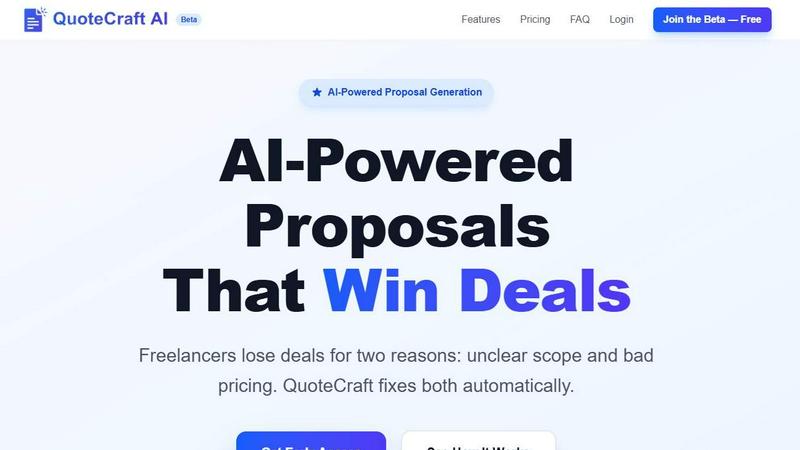
QuoteCraft AI instantly creates winning, legally binding proposals so freelancers close more deals.
Last updated: March 4, 2026
Visual Comparison
CloudBurn
QuoteCraft AI
Feature Comparison
CloudBurn
Automated Pull Request Cost Reports
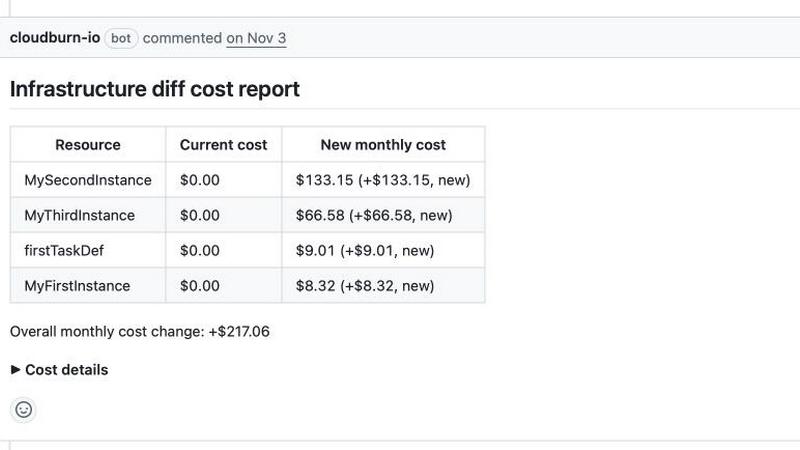
This is the killer feature. CloudBurn automatically posts a detailed, line-item cost breakdown as a comment on every relevant pull request. It shows the current cost, the new projected monthly cost, and the delta for each resource being changed or added. This happens seamlessly within seconds, requiring zero manual intervention from developers and making cost visibility an integral, non-negotiable part of the code review ritual, just like checking for linting errors.
Real-Time AWS Pricing Integration
Forget outdated spreadsheets or static price lists. CloudBurn pulls directly from the latest AWS pricing data to ensure every estimate is accurate and reflects the current on-demand rates for services and instance types in your specific region. This means the cost feedback you get is reliable and actionable, whether you're provisioning a t3.micro or a memory-optimized RDS instance.
Seamless IaC Tool Integration
CloudBurn works natively with the infrastructure-as-code tools teams actually use. It integrates with GitHub Actions for both AWS CDK (via the CDK Diff PR Commenter) and Terraform (via the Terraform Plan PR Commenter). This design-first approach means setup is incredibly simple—you're not rebuilding your pipeline; you're enhancing it with a critical new layer of intelligence.
Proactive Cost Anomaly Prevention
The tool is fundamentally designed to catch mistakes early. By analyzing the infrastructure diff, it can flag unexpectedly expensive resource configurations—like accidentally choosing an xlarge instance when a large would suffice—before they are deployed. This shifts FinOps left, preventing the need for risky and time-consuming refactoring projects in production after a budget alarm goes off.
QuoteCraft AI
Voice-to-Proposal Engine
This is, hands down, my favorite feature and a game-changer for efficiency. Imagine walking out of a client meeting, hitting record on your phone, and verbally dumping all your notes and ideas. QuoteCraft AI transcribes that instantly and structures it into a professional proposal framework. It captures the nuance and excitement from your conversation, ensuring nothing gets lost in translation before you even open your laptop. It turns downtime into productive time effortlessly.
Context Engine & Import Learning
This is the secret sauce that prevents your proposals from sounding generic. You can upload your past winning proposals, and the AI meticulously analyzes your writing style, preferred terminology, pricing structures, and standard deliverables. It learns what works for you. Your next generated proposal isn't from a generic template; it's crafted in your voice, with your logic, dramatically increasing client trust and your comfort level when sending it.
Interactive Client Proposals
This feature brilliantly tackles the "sticker shock" moment. Instead of sending a static PDF, you send a secure link where clients can interact with the proposal. They can toggle line items or service packages on and off, and the total price updates in real-time. This collaborative approach gives clients a sense of control, reduces immediate rejection, and often leads to them customizing a package they're truly happy with, speeding up acceptance.
Smart Follow-Ups & View Tracking
The silent killer of deals is client inaction. QuoteCraft AI eliminates the guesswork and awkward manual follow-up emails. You get notified the exact moment a client opens your proposal. Then, you can set up automated, gentle reminder emails to nudge them after a set number of days if they haven't viewed or signed. This system keeps your proposal top-of-mind professionally and ensures you never let a hot lead go cold due to simple forgetfulness.
Use Cases
CloudBurn
Preventing Accidental Cost Spikes in PR Reviews
The classic horror story: a developer updates a Terraform module, changing a t3.small to a t3.xlarge without realizing the 4x cost impact. CloudBurn stops this by making the $133/month price tag for that instance glaringly obvious in the PR comment. This sparks an immediate conversation between the developer and reviewer, allowing for a cost-optimized alternative to be chosen before merge.
Enabling Developer-Led Cost Optimization
Instead of finance or platform teams dictating cost rules retroactively, CloudBurn gives developers the data they need to self-optimize. When designing a new feature, engineers can experiment with different resource types and immediately see the cost trade-offs, fostering innovation within budgetary guardrails and building a shared sense of ownership over cloud spend.
Streamlining Infrastructure Approval Workflows
For teams with mandatory cost reviews, CloudBurn automates the most tedious part. Managers and tech leads no longer need to manually calculate estimates or guess the impact. The clear, automated report provides the audit trail and data needed for informed approval, significantly speeding up the deployment cycle while adding a robust financial governance layer.
Onboarding and Educating New Team Members
For engineers new to AWS or a codebase, CloudBurn acts as a real-time learning tool. It provides immediate feedback on the cost implications of their code, helping them understand the financial weight of their infrastructure decisions from day one and accelerating their journey to becoming cost-aware cloud practitioners.
QuoteCraft AI
The Web Designer Post-Consultation
A web designer finishes a discovery call with a potential client buzzing with ideas. Instead of waiting a day or two to draft a proposal, they use Voice-to-Proposal in their car right after the call. By the time they're back at their desk, a detailed proposal outlining design phases, CMS setup, revision rounds, and a clear timeline is already generated, edited, and ready to send, capturing the client's enthusiasm at its peak.
The Marketing Agency Scaling Outreach
A small marketing agency is pitching multiple potential clients per week. Manually customizing each proposal is unsustainable. They use QuoteCraft AI to import their past successful agency proposals. Now, for each new lead, they input basic details, and the AI generates a bespoke proposal that maintains their agency's brand voice, standardizes their service packages, and suggests competitive yet profitable pricing based on historical wins.
The Creative Studio with Complex Projects
A creative studio handling branding projects with many moving parts (logo, guidelines, assets, etc.) uses the Interactive Proposals feature. They send a proposal where the client can select which brand asset packages they want. The client feels empowered to build a project within their budget, and the studio avoids the back-and-forth of "what if we remove this?" It streamlines negotiation before it even starts.
The Solo Consultant Securing the Deal
An independent consultant sends a proposal but hears nothing back. With View Tracking, they see the client opened it three times but didn't sign. Instead of sending a desperate "just checking in" email, they use the Smart Follow-Up to send a pre-set, helpful message offering to hop on a quick call to answer any questions. This professional, data-driven approach significantly increases the chance of a reply and a signed contract.
Overview
About CloudBurn
CloudBurn is the essential early-warning system for any engineering team building on AWS. In my opinion, it solves one of the most pervasive and painful problems in modern cloud development: the terrifying, post-deployment bill shock. If your team uses Terraform or AWS CDK, you absolutely need this tool. CloudBurn integrates directly into your GitHub pull request workflow to provide real-time, automated cost analysis before any infrastructure code is merged. It transforms cloud cost management from a reactive, finance-led headache into a proactive, developer-friendly process. By surfacing the exact dollar impact of every VPC, EC2 instance, or Fargate task definition change right in the code review, it empowers engineers to make cost-conscious architectural decisions. This isn't just about saving money—it's about fostering a culture of ownership and financial accountability within development teams, preventing costly misconfigurations from ever reaching production and turning a monthly surprise into a predictable, optimized expense.
About QuoteCraft AI
Let's be brutally honest: as a freelancer, your proposals are your lifeblood, and most of them are probably costing you time, money, and deals. You spend hours crafting the perfect scope, agonizing over pricing, and designing a document, only to get ghosted or face endless revision cycles. QuoteCraft AI is the surgical strike against this chaos. It's not just another template filler; it's an intelligent proposal engine built specifically for freelancers and small agencies who are tired of leaving money on the table. By leveraging advanced AI, it transforms a simple project description—or even a voice memo—into a comprehensive, client-ready proposal in seconds. This tool directly attacks the two biggest freelancer killers: vague scopes that lead to scope creep and underpricing that destroys your profitability. What truly sets it apart is its learning capability; it studies your past wins to make future proposals sound more like you and price more effectively. The fact that it's completely free during its beta phase isn't just a nice perk—it's a golden opportunity to lock in a tool that will fundamentally upgrade your business development process without any risk.
Frequently Asked Questions
CloudBurn FAQ
How does CloudBurn calculate the cost estimates?
CloudBurn analyzes the output of your cdk diff or terraform plan command, which details the proposed infrastructure changes. It then cross-references the resources and their configurations (instance type, region, storage size, etc.) with the live AWS Price List API. Using standard assumptions for monthly runtime (730 hours), it calculates a projected monthly on-demand cost for both the new state and the current state, presenting the difference.
Is my code or cloud credentials exposed to CloudBurn?
No, and this is a critical design point for security. Your actual Terraform or CDK code never leaves your GitHub repository. CloudBurn's system only receives the diff output (the plan text) from the GitHub Action you install. Furthermore, CloudBurn does not require or have access to your AWS credentials; cost calculation is done using publicly available pricing data, not by accessing your account.
What happens if we use Reserved Instances or Savings Plans?
Currently, CloudBurn provides estimates based on standard AWS on-demand pricing. This is intentional, as it gives you the "sticker price" or maximum potential cost of a resource, which is the most critical figure for preventing budget overruns. It creates a consistent, conservative baseline for comparison. Understanding the impact before applying discounts is still immensely valuable for planning and avoiding waste.
Can we use CloudBurn with private GitHub repositories?
Absolutely. CloudBurn is installed via the GitHub Marketplace, and you can grant it permission to access specific private repositories where you manage your infrastructure-as-code. The integration operates securely within GitHub's ecosystem, and the billing and permissions are handled entirely through your GitHub account.
QuoteCraft AI FAQ
How does the AI generate proposals?
The AI doesn't just fill in blanks. It uses advanced language models trained on professional business documents. You provide a project description, select services, and choose a client type. The AI then structures this into a logical flow: defining the project scope, breaking it into line-item deliverables, suggesting appropriate pricing based on its training and your history, and outlining a realistic timeline. It creates a coherent, persuasive narrative, not just a list.
Will my proposals look generic?
Absolutely not, especially once you use the Import & Learn feature. The core AI provides a strong, professional structure. The magic happens when the Context Engine kicks in. By analyzing your past successful proposals, it learns your specific wording, how you justify pricing, your common deliverables, and your overall tone. This ensures the final output is uniquely tailored to sound like it came directly from you, not a robot.
Can I edit proposals after generation?
Yes, and you absolutely should! The AI-generated proposal is a powerful first draft designed to save you hours. You have full control to edit every single element—text, pricing, timelines, terms and conditions. The platform is built for customization, allowing you to tweak and perfect the proposal to match the specific nuances of the client and project before hitting send.
Is my data and client information secure?
Security is a top priority. Proposals are sent via secure, unique links. E-signatures are recorded with IP addresses and timestamps for legal validity. The company states adherence to strict data privacy standards. You should always review their detailed Privacy Policy and Terms of Service for the specific technical and legal measures they have in place to protect your business and client data.
Alternatives
CloudBurn Alternatives
CloudBurn is a specialized tool in the developer operations category, designed to bring AWS cost visibility directly into the pull request process. It's for teams using Terraform or AWS CDK who want to catch expensive infrastructure mistakes before they deploy, turning cost management from a reactive accounting task into a proactive part of the engineering workflow. Teams might seek alternatives for various reasons. Perhaps they need a solution that works with a cloud provider other than AWS, or they require a different pricing model that better fits their budget. Others might be looking for a tool with a broader feature set that includes security scanning or compliance checks alongside cost analysis. When evaluating other options, focus on core needs. The best alternative will seamlessly integrate with your existing version control and infrastructure-as-code tools. Look for accurate, real-time pricing data and actionable, resource-level insights that developers can actually use during code review. The goal is to find a solution that embeds financial accountability into your team's culture without slowing them down.
QuoteCraft AI Alternatives
QuoteCraft AI is a specialized tool in the business and productivity software category, designed to help freelancers generate professional project proposals with AI-powered speed. It tackles the tedious work of defining scope and pricing, aiming to turn more quotes into closed deals. Users often explore alternatives for various reasons. Some may seek more advanced features beyond proposal generation, like integrated invoicing or client portals. Others might need a tool that fits a specific budget once a free beta ends, or one that connects with other platforms in their existing workflow stack. When evaluating other options, focus on what truly matters for your freelance business. Consider the depth of customization for different project types, the learning curve, and how well the tool adapts to your unique client conversations. The goal is to find a solution that not only saves time but also genuinely improves the clarity and professionalism of your proposals.