Blueberry vs CloudBurn
Side-by-side comparison to help you choose the right tool.

Blueberry
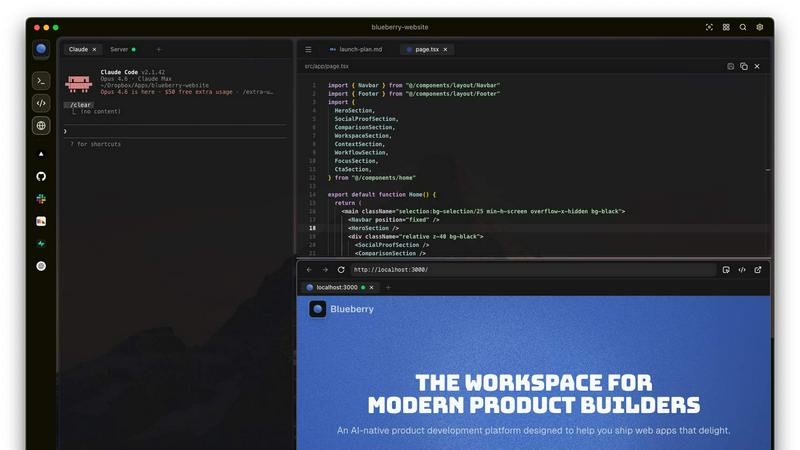
Blueberry is an all-in-one Mac app that integrates your editor, terminal, and browser for seamless web app development.
Last updated: February 28, 2026

CloudBurn
CloudBurn shows AWS cost estimates in pull requests to prevent budget surprises.
Last updated: March 1, 2026
Visual Comparison
Blueberry
CloudBurn
Feature Comparison
Blueberry
Integrated Workspace
Blueberry brings together a code editor, terminal, and live preview browser in one cohesive workspace. This integration allows developers to work more efficiently, eliminating the need to switch between different applications and providing a unified environment for coding, testing, and deploying web applications.
AI-Powered Contextual Assistance
With the built-in Blueberry MCP, developers can connect to various AI models, which can access the entire workspace. These AI models gain full context, including open files and real-time terminal output, enabling them to provide intelligent suggestions and support directly within the development process.
Live Preview Across Devices
Blueberry offers a built-in live preview feature that allows users to see how their web applications will look across different devices, including desktops, tablets, and mobile screens. This functionality ensures that developers can make design adjustments on the fly and deliver a polished product.
Pinned Apps Integration
Users can dock essential tools like GitHub, Linear, Figma, and PostHog directly within the Blueberry workspace. This feature ensures that critical applications are always accessible, sharing live context with your AI, which enhances collaboration and productivity during the development process.
CloudBurn
Automated Pull Request Cost Reports
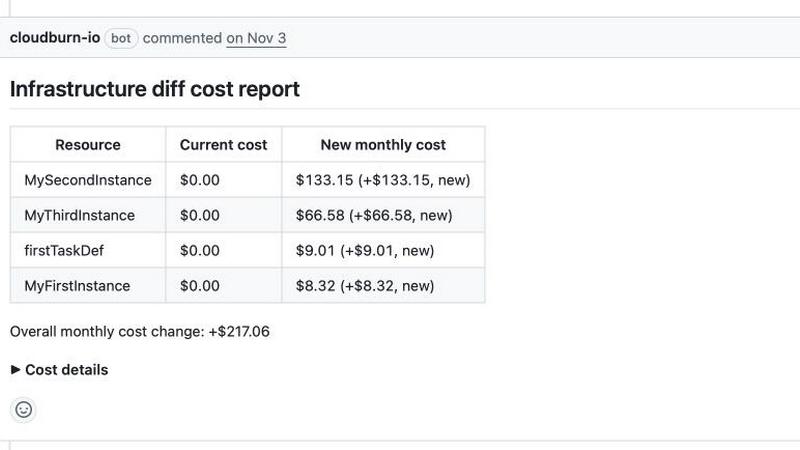
This is the killer feature. CloudBurn automatically posts a detailed, line-item cost breakdown as a comment on every relevant pull request. It shows the current cost, the new projected monthly cost, and the delta for each resource being changed or added. This happens seamlessly within seconds, requiring zero manual intervention from developers and making cost visibility an integral, non-negotiable part of the code review ritual, just like checking for linting errors.
Real-Time AWS Pricing Integration
Forget outdated spreadsheets or static price lists. CloudBurn pulls directly from the latest AWS pricing data to ensure every estimate is accurate and reflects the current on-demand rates for services and instance types in your specific region. This means the cost feedback you get is reliable and actionable, whether you're provisioning a t3.micro or a memory-optimized RDS instance.
Seamless IaC Tool Integration
CloudBurn works natively with the infrastructure-as-code tools teams actually use. It integrates with GitHub Actions for both AWS CDK (via the CDK Diff PR Commenter) and Terraform (via the Terraform Plan PR Commenter). This design-first approach means setup is incredibly simple—you're not rebuilding your pipeline; you're enhancing it with a critical new layer of intelligence.
Proactive Cost Anomaly Prevention
The tool is fundamentally designed to catch mistakes early. By analyzing the infrastructure diff, it can flag unexpectedly expensive resource configurations—like accidentally choosing an xlarge instance when a large would suffice—before they are deployed. This shifts FinOps left, preventing the need for risky and time-consuming refactoring projects in production after a budget alarm goes off.
Use Cases
Blueberry
Rapid Prototyping
Developers can use Blueberry to quickly prototype web applications by leveraging the integrated code editor and live preview. This allows for immediate feedback and iteration, making it easier to refine ideas and functionalities.
Collaborative Development
Teams can collaborate more effectively by using Blueberry's pinned apps and AI context features. This setup facilitates communication and ensures that everyone is aligned on the project, reducing the chances of miscommunication or errors.
Learning and Experimentation
Blueberry serves as an excellent platform for learners and developers experimenting with new technologies or frameworks. The AI's contextual awareness helps users understand their code better and receive real-time assistance, making the learning curve less steep.
Comprehensive Debugging
Debugging becomes more straightforward with Blueberry's integrated terminal and live preview. Developers can run commands, view output, and see immediate changes in their browser, creating a more efficient debugging workflow that saves time and reduces frustration.
CloudBurn
Preventing Accidental Cost Spikes in PR Reviews
The classic horror story: a developer updates a Terraform module, changing a t3.small to a t3.xlarge without realizing the 4x cost impact. CloudBurn stops this by making the $133/month price tag for that instance glaringly obvious in the PR comment. This sparks an immediate conversation between the developer and reviewer, allowing for a cost-optimized alternative to be chosen before merge.
Enabling Developer-Led Cost Optimization
Instead of finance or platform teams dictating cost rules retroactively, CloudBurn gives developers the data they need to self-optimize. When designing a new feature, engineers can experiment with different resource types and immediately see the cost trade-offs, fostering innovation within budgetary guardrails and building a shared sense of ownership over cloud spend.
Streamlining Infrastructure Approval Workflows
For teams with mandatory cost reviews, CloudBurn automates the most tedious part. Managers and tech leads no longer need to manually calculate estimates or guess the impact. The clear, automated report provides the audit trail and data needed for informed approval, significantly speeding up the deployment cycle while adding a robust financial governance layer.
Onboarding and Educating New Team Members
For engineers new to AWS or a codebase, CloudBurn acts as a real-time learning tool. It provides immediate feedback on the cost implications of their code, helping them understand the financial weight of their infrastructure decisions from day one and accelerating their journey to becoming cost-aware cloud practitioners.
Overview
About Blueberry
Blueberry is a revolutionary macOS application that redefines the workspace for modern product builders by combining an intuitive code editor, terminal, and live browser preview into a single focused environment. Designed for developers, designers, and product teams, Blueberry eliminates the hassle of juggling multiple windows and applications, enabling users to streamline their workflow. With its powerful integration of AI through the Blueberry MCP, users can connect to advanced models like Claude, Gemini, and Codex, allowing these AIs to have real-time context of your files, terminal output, and live previews. This unique setup not only enhances productivity but also fosters a collaborative atmosphere where building and shipping web applications becomes a seamless experience. Currently available as a free beta, Blueberry is tailored for those who aspire to create delightful web apps without the clutter of traditional development tools.
About CloudBurn
CloudBurn is the essential early-warning system for any engineering team building on AWS. In my opinion, it solves one of the most pervasive and painful problems in modern cloud development: the terrifying, post-deployment bill shock. If your team uses Terraform or AWS CDK, you absolutely need this tool. CloudBurn integrates directly into your GitHub pull request workflow to provide real-time, automated cost analysis before any infrastructure code is merged. It transforms cloud cost management from a reactive, finance-led headache into a proactive, developer-friendly process. By surfacing the exact dollar impact of every VPC, EC2 instance, or Fargate task definition change right in the code review, it empowers engineers to make cost-conscious architectural decisions. This isn't just about saving money—it's about fostering a culture of ownership and financial accountability within development teams, preventing costly misconfigurations from ever reaching production and turning a monthly surprise into a predictable, optimized expense.
Frequently Asked Questions
Blueberry FAQ
What operating system does Blueberry support?
Blueberry is currently designed exclusively for macOS and is available as a free beta version for Mac users.
Is Blueberry really free during the beta period?
Yes, Blueberry is 100% free during its beta phase, allowing users to explore all features without any costs involved.
Can I integrate my existing tools with Blueberry?
Absolutely! Blueberry allows you to dock essential applications like GitHub, Linear, Figma, and PostHog within your workspace, providing easy access and shared context.
How does Blueberry enhance productivity for developers?
By integrating an editor, terminal, and live preview, along with AI context, Blueberry minimizes the need to switch between different tools, thereby streamlining the development process and enhancing productivity.
CloudBurn FAQ
How does CloudBurn calculate the cost estimates?
CloudBurn analyzes the output of your cdk diff or terraform plan command, which details the proposed infrastructure changes. It then cross-references the resources and their configurations (instance type, region, storage size, etc.) with the live AWS Price List API. Using standard assumptions for monthly runtime (730 hours), it calculates a projected monthly on-demand cost for both the new state and the current state, presenting the difference.
Is my code or cloud credentials exposed to CloudBurn?
No, and this is a critical design point for security. Your actual Terraform or CDK code never leaves your GitHub repository. CloudBurn's system only receives the diff output (the plan text) from the GitHub Action you install. Furthermore, CloudBurn does not require or have access to your AWS credentials; cost calculation is done using publicly available pricing data, not by accessing your account.
What happens if we use Reserved Instances or Savings Plans?
Currently, CloudBurn provides estimates based on standard AWS on-demand pricing. This is intentional, as it gives you the "sticker price" or maximum potential cost of a resource, which is the most critical figure for preventing budget overruns. It creates a consistent, conservative baseline for comparison. Understanding the impact before applying discounts is still immensely valuable for planning and avoiding waste.
Can we use CloudBurn with private GitHub repositories?
Absolutely. CloudBurn is installed via the GitHub Marketplace, and you can grant it permission to access specific private repositories where you manage your infrastructure-as-code. The integration operates securely within GitHub's ecosystem, and the billing and permissions are handled entirely through your GitHub account.
Alternatives
Blueberry Alternatives
Blueberry is a Mac app designed for developers, integrating an editor, terminal, and browser into a singular workspace. This innovative approach allows users to streamline their workflow, eliminating the hassle of switching between multiple windows. With the capability to connect models like Claude, Codex, or Gemini through MCP, Blueberry enhances productivity by providing a unified view of files, terminal outputs, and live previews. However, many users seek alternatives for various reasons, including pricing, specific feature sets, or platform compatibility. When searching for an alternative, it’s crucial to consider factors such as the user interface, integration capabilities with other tools, and overall functionality to ensure it meets individual workflow needs. A well-chosen alternative can provide similar or enhanced features while fitting better into a user’s unique development environment.
CloudBurn Alternatives
CloudBurn is a specialized tool in the developer operations category, designed to bring AWS cost visibility directly into the pull request process. It's for teams using Terraform or AWS CDK who want to catch expensive infrastructure mistakes before they deploy, turning cost management from a reactive accounting task into a proactive part of the engineering workflow. Teams might seek alternatives for various reasons. Perhaps they need a solution that works with a cloud provider other than AWS, or they require a different pricing model that better fits their budget. Others might be looking for a tool with a broader feature set that includes security scanning or compliance checks alongside cost analysis. When evaluating other options, focus on core needs. The best alternative will seamlessly integrate with your existing version control and infrastructure-as-code tools. Look for accurate, real-time pricing data and actionable, resource-level insights that developers can actually use during code review. The goal is to find a solution that embeds financial accountability into your team's culture without slowing them down.