OC Maker vs Video Database
Side-by-side comparison to help you choose the right tool.

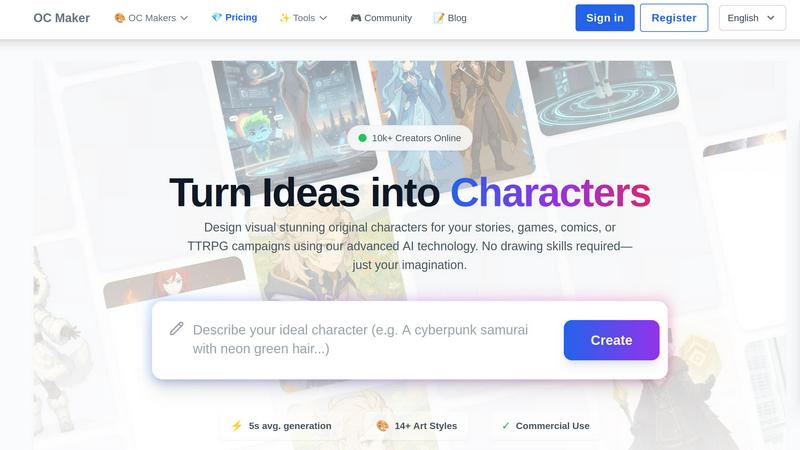
OC Maker instantly creates stunning, original characters from your ideas, no artistic skills required.
Last updated: March 1, 2026

Video Database
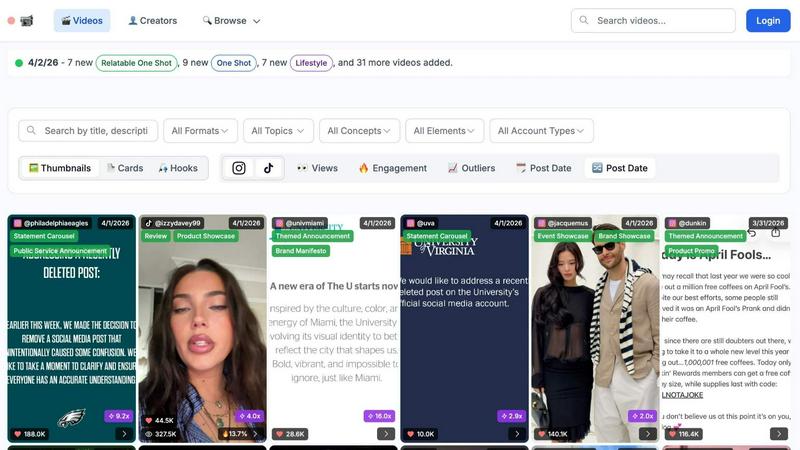
Monitors and organizes high-value creator videos.
Visual Comparison
OC Maker
Video Database
Overview
About OC Maker
Let's cut to the chase: OC Maker is the character creation tool I wish I had when I first started world-building. It's not just another AI image generator; it's a purpose-built platform that understands the specific, often finicky needs of writers, artists, and TTRPG players. The core promise is simple yet revolutionary: democratize professional character design. You don't need a degree in digital art or years of drawing experience. If you have an imagination, OC Maker provides the bridge to turn those mental images into stunning, usable visuals in about five seconds. What truly sets it apart, in my opinion, is its commitment to being a "creative suite" rather than a one-trick pony. Beyond generating a character from a text prompt, it offers tools for animation, face-swapping, and even reverse-engineering images into prompts. With support for over 14 distinct art styles—from hyper-specific fandoms like Genshin Impact and Cuphead to broader categories like Photorealistic and Anime—it caters to an incredibly wide creative audience. Whether you're sketching concepts for a comic, designing a party for your next D&D campaign, or visualizing the protagonist of your novel, OC Maker removes the technical barrier and lets you focus on what matters most: the story.
About Video Database
The Video Database began as an internal solution to a common frustration: as creators and content strategists we need to "study the best," but this typically means endless scrolling through social platforms riding the algo waves - good or bad. Nobody needs more of that.
Cut30, our short-form video bootcamp, maintains hundreds of hand-curated reference videos throughout its curriculum—valuable examples embedded within tutorials, exercises, and lessons. However, these references were scattered across the platform without centralized organization or analysis. What started as simply organizing and categorizing those videos, was a slippery slope.