

Alternatives to Self-Healing Integrations
Effortlessly integrate and automate systems with Plumbed.io's self-healing platform, ensuring reliability and fast deployment without hefty costs.
20 alternatives found
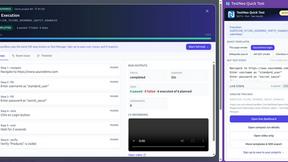
TestNeo
TestNeo.ai is an AI-native engineering and release assurance platform that helps teams automate web and API testing using natural language.


mcpfolio
Discover MCP servers, compare tools, and follow setup guides to connect AI assistants to your apps and workflows.
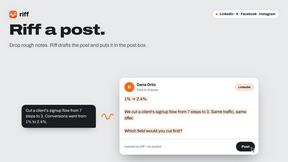
Riff
Riff writes replies, DMs and posts with Gemini Nano inside Chrome. Runs on your computer, no account or API key, and never posts for you.
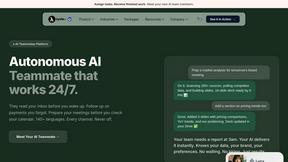

Capafy AI
Agent Skills marketplace: discover expert AI agents, run them online, or publish a Skill and earn from every sale.

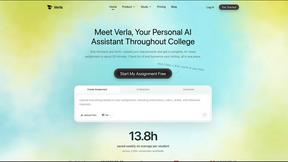
Verla AI
Verla is an AI academic assistant for university and college students, combining AI essay writing, academic research, AI detection, AI humanization.

JevModel
Turn text or JSON into structured Choice, Score and Noul decisions with probabilities.

Tapetide
AI-first stock research for India. Ask TapeAi about any NSE or BSE stock, or connect Claude, ChatGPT and Cursor to Tapetide's MCP server.

Memorable Contact
AI-powered relationship memory that helps you remember people, the context behind your connections, and reconnect when it matters.







About Self-Healing Integrations Alternatives
Self-Healing Integrations is an innovative platform that automates the integration of various systems using an AI-managed lifecycle. This product falls into the category of AI Assistants, designed to streamline the integration process and reduce the complexities associated with custom integrations. In a landscape where companies often face escalating costs and time delays for each new channel or partner, Self-Healing Integrations stands out by offering a more efficient and adaptive solution that minimizes the ongoing maintenance burden. However, many users seek alternatives to Self-Healing Integrations for reasons including pricing, specific feature requirements, or compatibility with existing platforms. When exploring alternatives, it's crucial to consider aspects such as ease of use, scalability, integration capabilities, and the level of support provided. A good alternative should not only meet current needs but also adapt as your business evolves, ensuring that it remains cost-effective and efficient in the long run.
FAQs about Self-Healing Integrations Alternatives
What is Self-Healing Integrations?
Self-Healing Integrations is a platform designed to help users seamlessly integrate various systems through an AI-managed lifecycle. It automates the integration process, reducing the need for ongoing manual maintenance and allowing businesses to focus on their core functions rather than integration complexities.
Who is Self-Healing Integrations for?
Self-Healing Integrations is ideal for businesses that require continuous integration with multiple systems, channels, or partners. It particularly benefits companies looking to streamline their processes and reduce costs associated with custom integration projects, making it suitable for organizations of all sizes.
Is Self-Healing Integrations free?
No, Self-Healing Integrations is not free. The platform operates on a pricing model that reflects its advanced capabilities and the ongoing support it provides. Users should evaluate their integration needs and the potential return on investment when considering the platform.
What are the main features of Self-Healing Integrations?
The main features of Self-Healing Integrations include automated system integration, continuous monitoring, AI-driven lifecycle management, and the elimination of manual maintenance. These features work together to simplify the integration process and ensure that systems remain operational and up-to-date.