Crawlkit
CrawlKit simplifies web data extraction, allowing you to capture structured information from any site with a single API.
Visit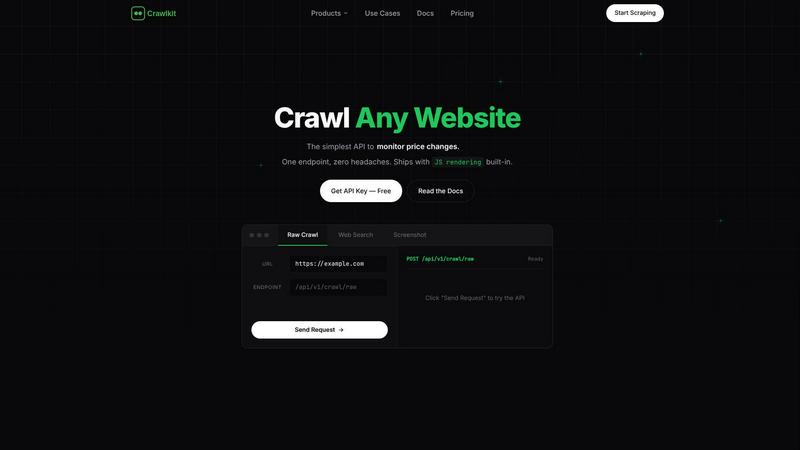
About Crawlkit
CrawlKit is an innovative web data extraction platform designed specifically for developers and data teams who need streamlined access to web data without the hassles of maintaining complex scraping infrastructures. In a world where web scraping faces numerous challenges such as proxy rotation, anti-bot defenses, and ever-changing website structures, CrawlKit emerges as a robust solution. It allows users to make simple API requests while managing the intricacies of web scraping behind the scenes. This means developers can focus on leveraging the data rather than worrying about how to collect it. With CrawlKit's unified interface, users can extract a wide array of web data—from raw page content and search results to professional data from social platforms like LinkedIn. This makes CrawlKit an essential tool for anyone looking to harness reliable web data extraction solutions effectively, whether for research, marketing, or data analysis.
Features of Crawlkit
User-Friendly API
CrawlKit offers a straightforward HTTP API that can be utilized from any programming language or platform. This flexibility allows developers to integrate web data extraction into their existing workflows without locking themselves into a specific technology stack.
Robust Proxy Management
The platform expertly manages proxy rotation and anti-bot protections, ensuring reliable access to data from various websites. This built-in functionality saves users from dealing with the complexities and risks associated with manual proxy management.
Complete and Clean Data Responses
CrawlKit guarantees that users receive complete data outputs by waiting for full page loads and validating responses. This reduces the chances of dealing with incomplete or erroneous data, empowering users to trust the information they extract.
Flexible Pricing Structure
CrawlKit employs a transparent credit-based pricing model, allowing users to pay only for what they need without hidden fees or surprise charges. This system makes it cost-effective to scale data extraction activities according to project requirements.
Use Cases of Crawlkit
CRM Enrichment
CrawlKit is perfect for enriching customer relationship management (CRM) systems by pulling valuable LinkedIn profile data. Users can automatically gather job titles, company information, and contact details for each lead, enhancing their outreach efforts.
Competitive Intelligence
Businesses can leverage CrawlKit to conduct competitive analysis by tracking competitors’ social media activities, such as follower growth and engagement metrics on platforms like Instagram. This insight helps inform strategic decisions.
App Review Analysis
CrawlKit can be utilized to extract and analyze app reviews from various app stores. This information is invaluable for understanding user sentiment, identifying common issues, and enhancing product development strategies.
Market Research
Researchers and analysts can utilize CrawlKit to gather data from different websites and platforms, facilitating comprehensive market studies. By extracting structured data, users can derive meaningful insights that drive business strategies.
Frequently Asked Questions
What types of data can I extract using Crawlkit?
CrawlKit allows users to extract various types of data, including raw page content, search results, and professional data from social platforms like LinkedIn, Instagram, and app stores.
How does Crawlkit handle anti-bot measures?
CrawlKit automatically manages proxy rotation and anti-bot protections for you. This ensures reliable access to data while minimizing the risk of being blocked by target websites.
What programming languages or platforms does Crawlkit support?
CrawlKit is designed to be flexible and can be used from any programming language or platform, including Node.js, AWS, and various automation tools, making it highly accessible for developers.
Is there a minimum commitment for using Crawlkit?
CrawlKit operates on a pay-as-you-go basis with no monthly commitments. Users can start with a free plan and scale up as needed without any hidden fees or minimum usage requirements.
Explore more in this category:
Similar to Crawlkit

JevModel
Turn text or JSON into structured Choice, Score and Noul decisions with probabilities.

Tapetide
AI-first stock research for India. Ask TapeAi about any NSE or BSE stock, or connect Claude, ChatGPT and Cursor to Tapetide's MCP server.
ROIpad
ROIpad equips SaaS teams with automated positioning intelligence. Find high-converting messaging gaps, track rival moves, and capture market share.
BillionVerify
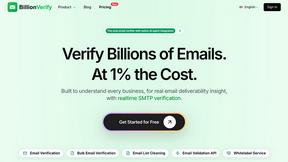
BillionVerify is a professional email verification service built to solve one problem: bad email data costs businesses money.

Visemory
Search your local media library with natural language