
Microplastic Intake App
My favorite way to track and finally cut down on the 52,000 microplastics you unknowingly consume each year using hard data.
Visit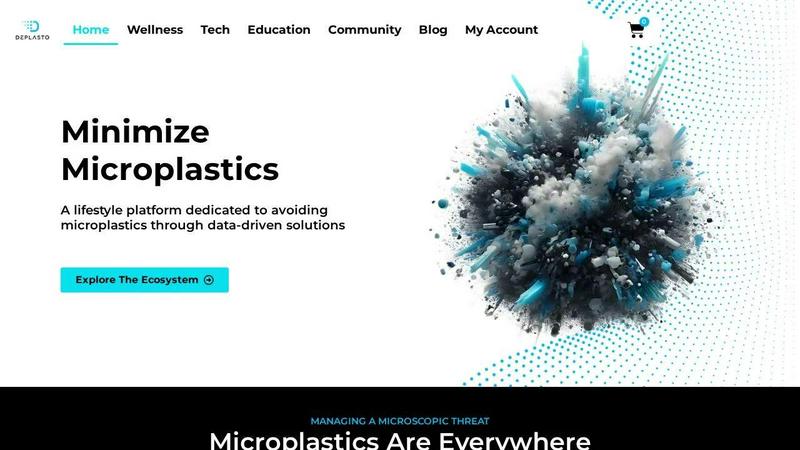
About Microplastic Intake App
Let’s be real for a second: you’re probably a pro at tracking your macros, your steps, and your sleep, but there’s a glaring blind spot in your health regimen that’s been hiding in plain sight. I’m talking about microplastics. The Microplastic Intake App is the first data-driven tool that finally lets you measure, track, and minimize your daily exposure to these invisible particles. The science is undeniable: peer-reviewed studies estimate we consume over 52,000 microplastics a year, and they’ve been detected in 100% of human blood samples. This app is built for the health-conscious individual, the biohacker, the wellness warrior who wants to go beyond surface-level optimization. It’s for anyone who cares about their gut health, hormone balance, energy levels, and long-term vitality. The core value proposition is simple: you can’t manage what you don’t measure. By logging your favorite foods, drinks, and daily activities, the app uses a proprietary, science-backed model to calculate your estimated microplastic intake. It then gives you actionable insights to swap out high-risk items for low-risk alternatives. This isn’t about fear-mongering; it’s about empowerment. You get to reclaim control over your environment and support your body’s natural antioxidant production. Think of it as the missing piece in your wellness puzzle, a tool that turns a microscopic threat into a manageable variable in your daily life.
Features of Microplastic Intake App
Proprietary Intake Estimation Model
This is the brain of the app and my personal favorite feature. Instead of relying on vague guesses, the app uses a sophisticated algorithm built on hundreds of peer-reviewed studies. You simply log what you ate for breakfast (say, a salmon fillet and a bottled water) or what activity you did (a run in polyester leggings), and the model cross-references that data with published research on microplastic contamination levels. It calculates a personalized, estimated particle count for your day. It’s not just a number; it’s a data point you can actually use, giving you a concrete baseline to improve upon. This turns abstract anxiety into a specific, trackable metric.
Food and Drink Database
The app features a curated, constantly updated database of common foods and beverages, each ranked by their estimated microplastic load. You’ll find everything from your morning coffee (watch out for plastic-lined cups) to seafood, salt, and even tap water. For each item, the app provides a clear risk score and a scientific citation so you know the data is legit. My favorite part? It offers personalized recommendations for lower-plastic alternatives. Love sushi? The app might suggest wild-caught options over farmed, or point you toward brands that package in glass instead of plastic. It turns your grocery list into a tool for wellness.
Activity and Environment Logging
Microplastics aren’t just in your food; they’re in the air you breathe and the clothes you wear. This feature lets you log non-dietary exposures that are often overlooked. Did you just wash a load of synthetic fleece? The app will factor in the estimated 700,000 particles released per wash. Did you spend the afternoon in a carpeted office or walk along a busy highway? You can log that too. This holistic view is what sets this app apart from any other tracker. It connects the dots between your environment and your internal health, giving you a complete picture of your daily particle load.
Personalized Insights and Trend Tracking
This is where the app becomes your personal health coach. Over time, as you log your meals, drinks, and activities, the app generates trend lines showing your estimated daily and weekly intake. You can see exactly which choices are your biggest contributors. Did your intake spike after that sushi dinner? The app will flag it. More importantly, it tracks how changes in your intake correlate with your self-reported energy, mood, and gut comfort. You can finally see if reducing your plastic load makes you feel better. It’s a feedback loop that empowers you to optimize your environment for better energy, clearer hormones, and a happier gut.
Use Cases of Microplastic Intake App
The Conscious Foodie
You love exploring new cuisines, but you want to do it without the side of plastic. Use the app before you go out to eat. Scan the menu, log potential items like seafood or takeout in plastic containers, and see the estimated impact. The app will give you smart swaps: choose the glass-bottled beer over the canned one, or the grilled vegetable platter over the fried fish. It turns your dinner decision into a data-informed choice, letting you enjoy your meal with the peace of mind that you’re minimizing your exposure.
The Post-Workout Optimizer
You’re dedicated to fitness, but your workout gear might be working against you. After a sweaty session in polyester leggings or a run in a synthetic shirt, log your activity. The app will estimate the microplastic off-gassing and shedding from your clothes. Then, log your post-workout protein shake (check if it’s in a plastic tub) and your water bottle. This use case helps you see the cumulative impact of your fitness routine. You can then make targeted changes, like switching to a Guppyfriend wash bag for your synthetics or choosing a glass bottle for your recovery drink.
The New Parent
You’re hyper-vigilant about everything your baby touches, eats, and drinks. This app is your secret weapon. Log the baby’s formula (often stored in plastic-lined cans), the plastic teething toys, and the microwave-heated pouch food. The app will help you identify the highest-risk items in your baby’s routine. My recommendation for parents: use the insights to prioritize swaps like glass baby bottles, silicone teethers, and fresh or frozen food over pouches. It’s a practical, data-driven way to create a safer environment for your little one.
The Home Renovator
You’re finally updating your kitchen or flooring, but new materials can be a hidden source of microplastics. Log your new nylon carpet, your vinyl flooring, or your plastic-based paint. The app will estimate the off-gassing and shedding potential. It can guide you toward safer alternatives, like wool carpets, solid wood flooring, or low-VOC paints. This use case is about proactive prevention. Instead of worrying after the renovation is done, you use the app to make informed material choices from the start, protecting your family’s air quality and long-term health.
Frequently Asked Questions
How does the Microplastic Intake App calculate my daily intake?
The app uses a proprietary algorithm that synthesizes data from hundreds of peer-reviewed scientific studies. When you log a food item, like a serving of farmed salmon, the app cross-references that specific item with published research on its average microplastic contamination level. It considers factors like packaging type (plastic wrap vs. butcher paper), processing methods, and known contamination sources. For activities, it uses studies on synthetic fabric shedding and airborne particle concentrations. The result is a personalized, estimated particle count based on the best available science, not a random guess.
Is the app data really backed by science?
Absolutely. This is the core of our mission. Every single data point in the food and activity database is sourced from a published, peer-reviewed study. We cite the source directly within the app, so you can tap to read the abstract or full paper. We do not rely on anecdotal evidence or marketing claims. Our team of researchers constantly monitors new publications to update the database, ensuring you always have access to the most current and accurate information available in the scientific literature.
What if I don't eat seafood or drink bottled water? Is the app still useful?
Yes, and you might be surprised. While seafood and bottled water are high-profile sources, microplastics are pervasive. They are found in tap water, sea salt, beer, honey, and even the air in your home. The app covers a wide range of common foods and activities. You can log items like your morning coffee (from a plastic-lidded cup), your lunch salad (from a plastic clamshell container), and even your laundry routine. The app will reveal hidden sources you never considered, making it valuable for any diet or lifestyle.
How often should I log my intake to get useful insights?
For the best results, I recommend logging at least one or two meals and your primary daily activity for the first week. This gives the algorithm enough data to establish a baseline. After that, logging just your highest-risk items (like takeout in plastic, or a new synthetic garment) is often enough to track trends. The goal is not to become obsessive, but to build awareness. Over a few weeks, you’ll naturally start to see patterns and identify your biggest personal contributors, allowing you to make targeted, effective changes without constant logging.
Explore more in this category:
Similar to Microplastic Intake App
Maeve Social
All-in-one social media project management with no-login client approvals
Wisegrid
Spreadsheet-native work management with AI formulas, dashboards, automation, reporting, and project views for growing teams.
AEOeye
See your brand the way AI does — audit whether ChatGPT, Claude, Perplexity, Gemini and Google AI recommend you.

GeoRank
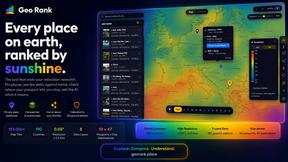
GeoRank is the only tool that ranks every place on earth by crypto CGT, letting you pin, compare, and ask AI about your relocation shortlist.

Video2URL
Video2URL is my favorite way to instantly turn heavy video files into clean, trackable share links with built-in analytics.
UpStart
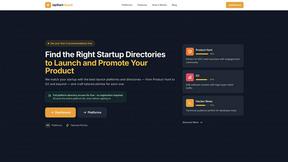
UpStart Quest is my go-to for matching your startup with the best launch directories and crafting tailored pitches that actually get results.