

Alternatives to Decker
Decker is my favorite deliverable OS that turns consultant work into AI training data, letting you build, learn, and earn from every deck and memo.
20 alternatives found

Memorable Contact
AI-powered relationship memory that helps you remember people, the context behind your connections, and reconnect when it matters.


Escrozon
Escrow marketplace for buying and selling digital assets. The payment is held until the buyer confirms the handover.


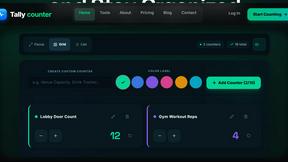
tallycounterweb.com
Online tally counter for tracking attendance, workouts, inventory, sports scores, visitors, habits, and everyday counting tasks.




IZIPAY
IZIPAY is a virtual and physical crypto card service that lets users top up with digital assets and pay online like with a regular card.
benchmark.directory
An independent directory of 146 AI tools. Every listing was paid for, set up and used on real work. Nobody can buy a place or a score.

saasgrow.ai
Get your SaaS tool discovered. Free listing, honest screening, a dofollow link — and no way for anyone to outbid you.
About Decker Alternatives
Decker sits in the rapidly evolving intersection of AI Assistants and Business Intelligence, positioning itself as a specialized operating system for knowledge workers who live and die by the quality of their deliverables. It is a niche tool designed to transform raw, messy inputs—think scattered notes, interview transcripts, and financial models—into polished, client-ready decks, memos, and reports. While its promise of packaging expertise for monetization is compelling, many users start hunting for alternatives because the platform’s pricing can feel steep for solo practitioners, its heavy focus on consulting-specific workflows may feel restrictive for general business teams, or they simply require deeper integration with their existing CRM or project management stacks. When evaluating a replacement, you should prioritize tools that offer a more flexible document creation pipeline without sacrificing the AI-driven synthesis that makes Decker appealing. Look for platforms that allow you to define your own templates and data schemas rather than forcing you into a preset deliverable format, and pay close attention to how the tool handles version control and collaborative editing—two areas where Decker’s rigid structure can become a bottleneck. The best alternative will match your specific workflow rhythm, whether that means faster turnaround for ad-hoc analyses or a more robust library for reusing past intellectual property, all while keeping your data exportable and your costs predictable.
FAQs about Decker Alternatives
What is Decker?
Decker is an AI-powered deliverable operating system designed specifically for consultants, investors, finance professionals, and operators. It acts as a central platform to turn messy files, notes, transcripts, and templates into high-quality decks, memos, models, reports, analyses, and review tables. The tool is built to streamline the entire process of creating polished client deliverables from raw data.
Who is Decker for?
Decker is primarily built for consultants, investors, finance professionals, and operators who need to produce high-quality deliverables on a regular basis. It is ideal for knowledge workers who handle large volumes of unstructured information, such as meeting transcripts and financial data, and need to synthesize that into professional documents. The platform also caters to users who want to capture and monetize their expertise through reusable templates and packaged knowledge.
Is Decker free?
Decker is not a free platform; it operates on a paid subscription model, though specific pricing tiers may vary. Given its focus on professional-grade deliverable creation and monetization features, it is positioned as a premium tool for serious practitioners rather than a free consumer app. Users should check the official website for the most current pricing plans and any available trial periods.
What are the main features of Decker?
Decker’s core features include AI-powered synthesis that transforms raw inputs like files, notes, and transcripts into polished deliverables such as decks, memos, and models. It also offers tools for capturing and annotating expertise, allowing users to package their knowledge for future reuse and direct monetization. Additionally, the platform supports creating review tables and analyses, effectively serving as an operating system for managing the entire deliverable lifecycle.