
Best SEO tools (66+)
Discover 66+ best seo tools. Compare features, pricing, and reviews. Free and paid options available.
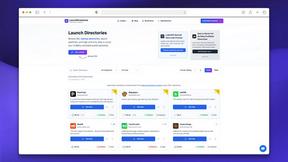
LaunchDirectories.com
LaunchDirectories instantly finds the best places to launch your startup and build crucial backlinks.
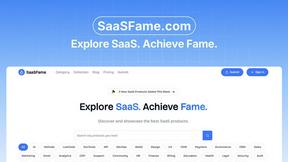
SaaSFame
SaaSFame is your ultimate directory for discovering and comparing over 200 exceptional SaaS products tailored to your.
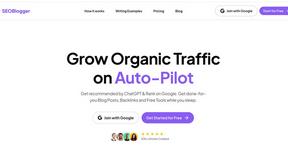
SEOBlogger AI
SEOBlogger AI automates SEO content creation, driving traffic and boosting your blog’s Google rankings effortlessly.
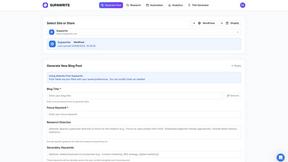
Supawrite
Supawrite automates your entire SEO blog to rank higher and attract leads effortlessly.
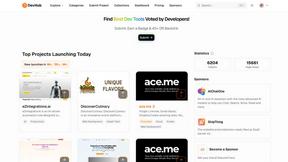
DevHub
DevHub is my go-to for discovering the best developer tools, all curated and voted on by the community.
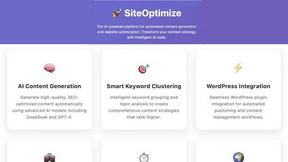
AI Auto Writer
AI Auto Writer effortlessly creates SEO-optimized WordPress content from keywords, saving time and boosting traffic.
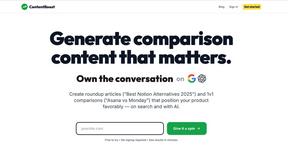
ContentBoost
ContentBoost creates high-ranking competitor comparison articles in minutes, ensuring you get discovered by buyers.
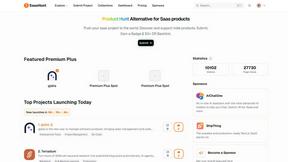
SaasHunt
Showcase and elevate your SaaS projects with SaasHunt, the ultimate platform for discovering and supporting innovation.
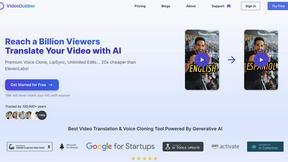
VideoDubber Video Translator
VideoDubber instantly translates and dubs your videos into over 150 languages, unlocking global reach and engagement.
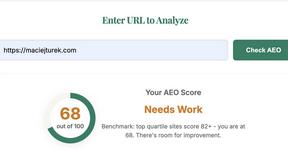
AEO lite
AEO lite scores your content for AI Overviews and provides a custom plan to enhance your online visibility.
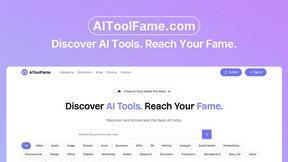
AIToolFame
Uncover the finest AI tools in one curated directory with AIToolFame, your go-to resource for innovation and discovery.
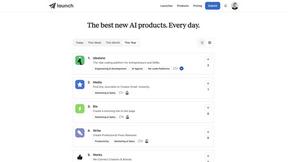
Launch
Discover and launch the best new AI tools with our trusted community of makers.
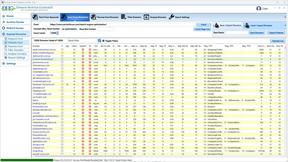
Domain Hunter Gatherer
Easily discover and secure premium expired domains with powerful tools designed for your online success.
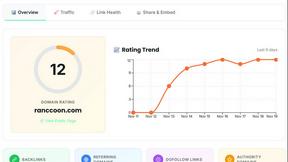
Ranccoon
Ranccoon automates your Domain Rating and backlink monitoring, effortlessly driving your website's growth and authority.

Clio Websites
Clio Websites crafts custom, high-converting sites and SEO that truly grow your business.
Serp Smoothie
Serp Smoothie merges Google Ads and Search Console data to optimize your search strategy and maximize ROI effortlessly.
JustSimple Tools
JustSimple Tools is my handpicked collection of the best productivity tools for developers and creators.
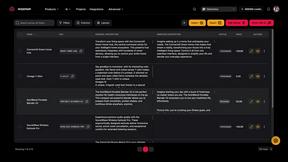
WISEPIM
WISEPIM automates product content creation to enhance conversions, reduce returns, and optimize for every sales channel.

Rankai
Rankai harnesses AI and expert insights to elevate your SEO strategy, driving organic traffic and maximizing visibility.
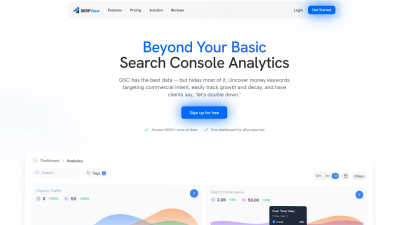
SERPView
SERPView unlocks Google Search Console's hidden data to reveal your best keywords and traffic opportunities.
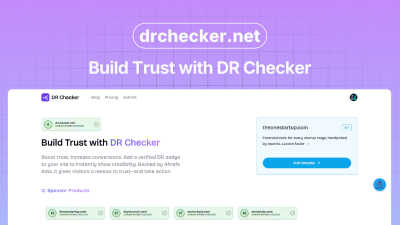
DR Checker
DR Checker verifies your site's security to build user trust, though it's currently paused.
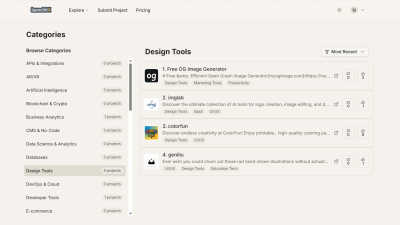
LaunchitX
LaunchitX helps you instantly launch your startup, gain visibility, and boost SEO with high-quality backlinks.
AI Page Ready
Transform your website into a lead-generating machine with AI SEO audits that attract high-intent prospects instantly.

Zenor AI
Zenor AI ensures ChatGPT and other AI assistants can find and recommend your Shopify products.
IsMyStoreReady.com
IsMyStoreReady.com delivers a free AI audit to enhance your online store's SEO and performance in just minutes.

AI To Humanize
AI To Humanize transforms AI-generated text into authentic, engaging content that evades detection tools effortlessly.
Popular Alternatives in SEO
About SEO tools
SEO tools help marketers, content creators, and web developers improve their website visibility in search engine results through keyword research, site auditing, rank tracking, backlink analysis, and content optimization. This category includes comprehensive SEO suites, specialized keyword tools, technical SEO auditors, and AI-powered content optimization platforms.
Whether you are conducting keyword research, auditing your site for technical issues, tracking search rankings, analyzing competitor strategies, or optimizing content for search engines, these tools provide the data and insights needed to drive organic traffic growth.
Compare SEO tools by their feature coverage, data accuracy, keyword database size, integration options, and pricing to find the right search engine optimization solution for your website and marketing goals.
FAQs for SEO
What types of SEO tools are listed?
This category includes keyword research tools, site audit platforms, rank trackers, backlink analyzers, content optimization tools, local SEO tools, technical SEO auditors, SERP analysis platforms, and comprehensive SEO suites that combine multiple capabilities.
Do I need multiple SEO tools?
Many all-in-one SEO suites cover keyword research, site auditing, rank tracking, and backlink analysis in a single platform. However, some specialized tools offer deeper capabilities in specific areas that may complement your primary SEO suite.
How accurate are SEO tool data?
SEO data accuracy varies by tool and metric. Keyword volume estimates are approximations, rank tracking is highly accurate for monitored keywords, and backlink data depends on the tool's crawl coverage. Cross-referencing multiple tools provides the most reliable insights.
Can SEO tools help with content creation?
Yes. Many SEO tools offer content optimization features including keyword suggestions, topic clustering, content briefs, readability scoring, and competitive content analysis to help create content that ranks well in search results.
Are there free SEO tools?
Yes. Several SEO tools offer free tiers with limited keyword lookups, basic site audits, and rank tracking. Google Search Console and Google Analytics are free tools that provide valuable SEO data directly from Google.
How do I choose the right SEO tool?
Consider your SEO priorities, team size, number of websites, keyword database needs, and budget. Start with free trials to evaluate data quality, interface usability, and feature coverage before committing to annual plans.